|
|
|
|
 |
 |
Hello, |
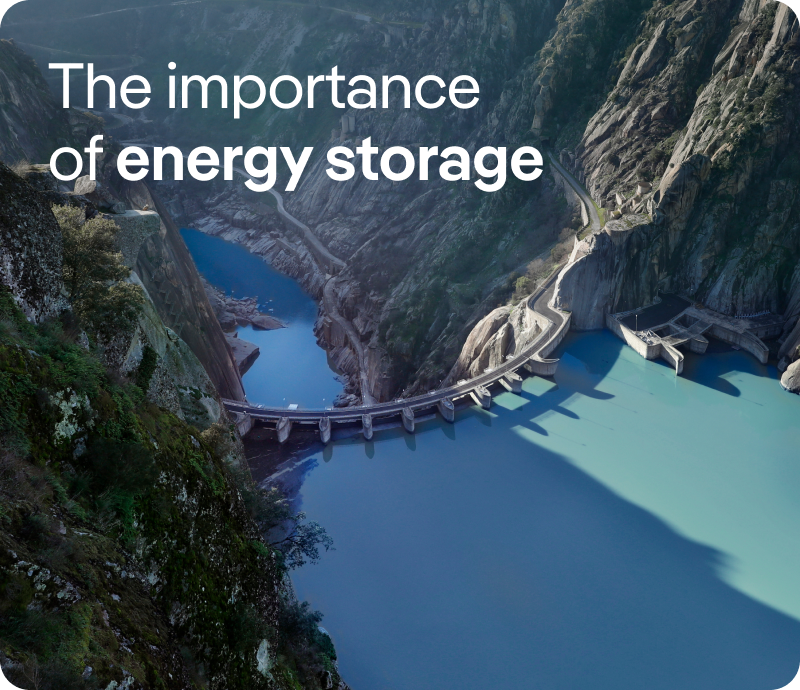
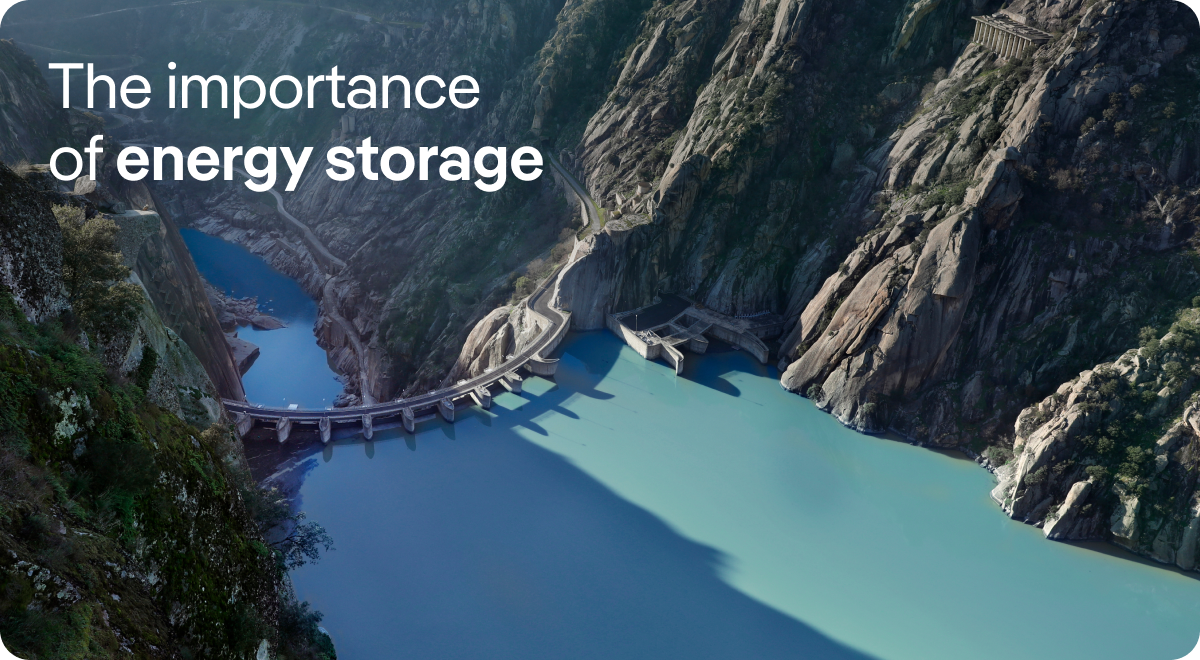
When you think about storing energy, you may not think of the most important infrastructure we have for this purpose: pumped-storage hydropower plants. Today, they are more necessary than ever. Although hydropower plants may seem like a thing of the past, they are the future: they provide stability and reliability and help meet demand.
And storing energy is an age-old practice that has been key to the evolution and growth of society. Throughout history, we have stored raw materials and food, while our energy has traditionally been stored in the form of fossil fuels. Now, there is another clean and autonomous alternative that is shaping the present and future of our energy consumption. That is why, during this week in which World Energy Storage Day has been commemorated, we are taking a closer look at one of the key pillars of the resilience, security and stability of the electricity network: energy storage. |
Energy storage: key to electrification |
At Iberdrola, we know that storing generated energy is key to the expansion of renewable energy. Energy storage has become a fundamental support for its deployment, given the intermittent nature of renewables, storing excess energy when demand is low and releasing it during peaks in consumption to keep the network stable.
But its importance goes beyond being the perfect complement to generation technologies such as solar PV and wind power, which depend on weather conditions. Having pumped-storage hydropower technology or Battery Energy Storage Systems (BESS) provides important backup for growing electricity demand. As electrification advances, moving away from energy consumption from fossil fuels, having well-designed infrastructure comprising pumped-storage hydropower plants and battery parks ensures continuity of supply and helps guarantee that everything operates normally. In other words, energy storage provides security. |
 |
 |
Large-scale energy storage: a cost-effective and secure resource |
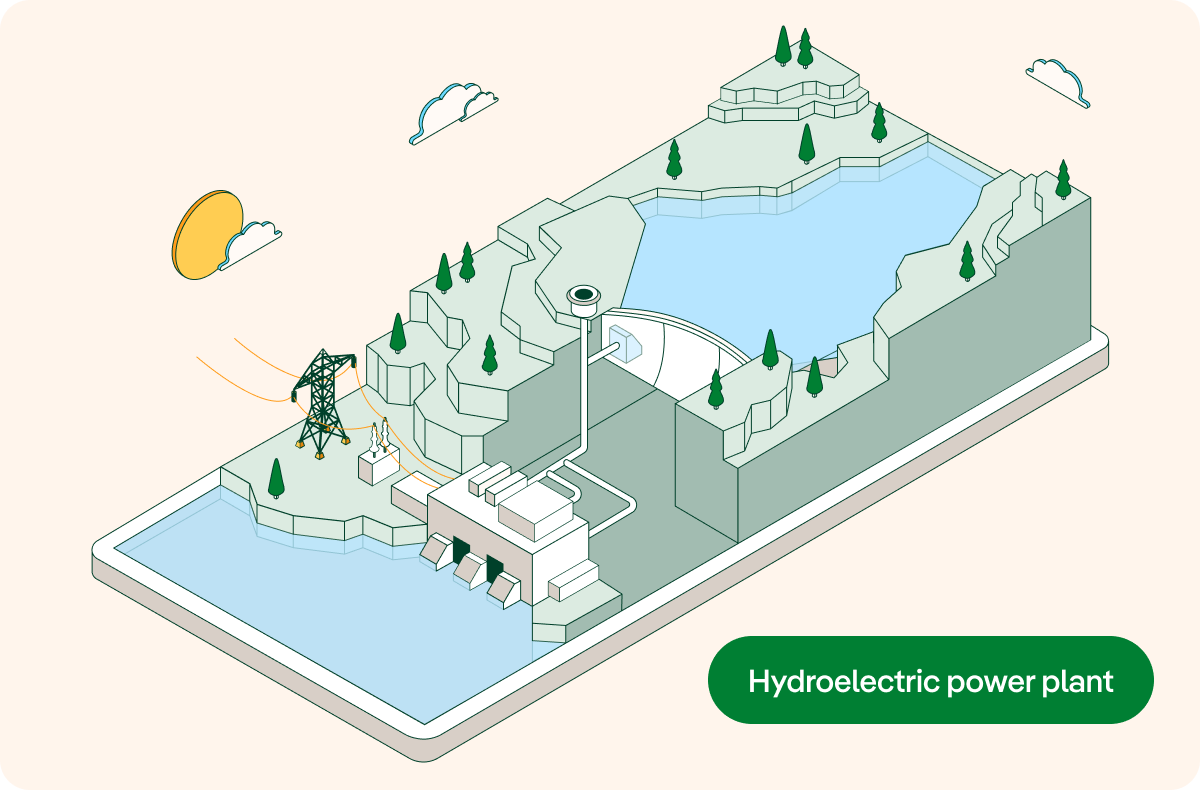
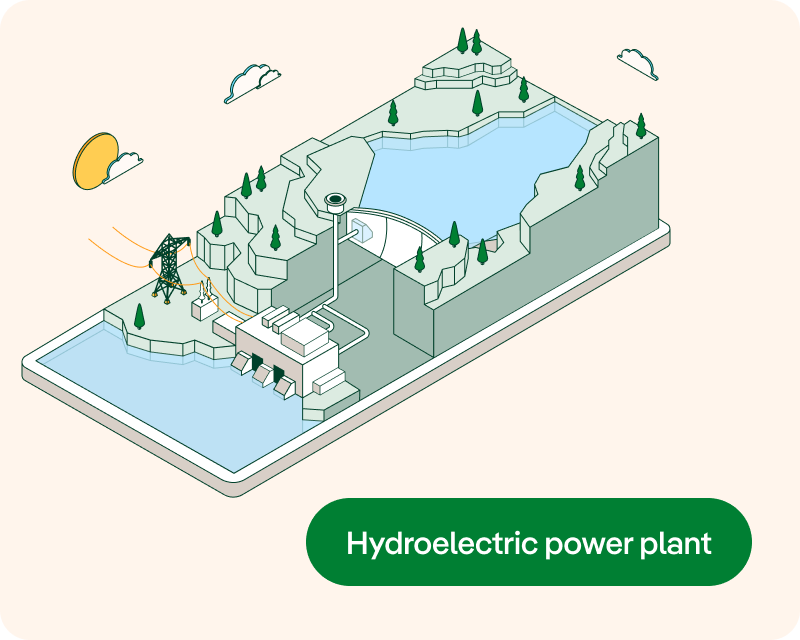
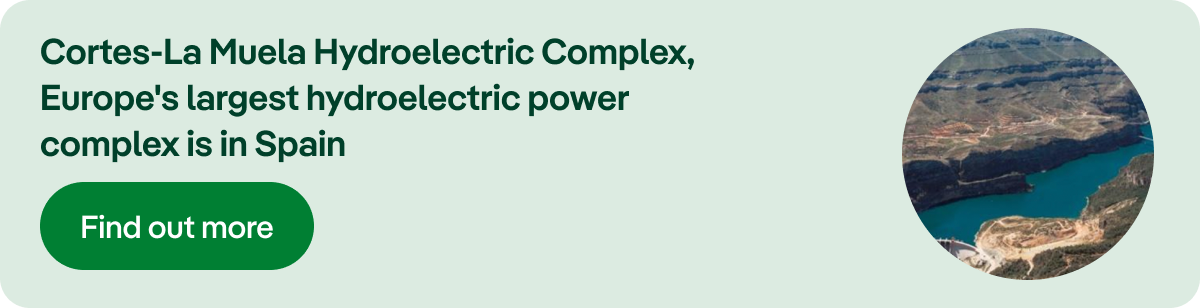
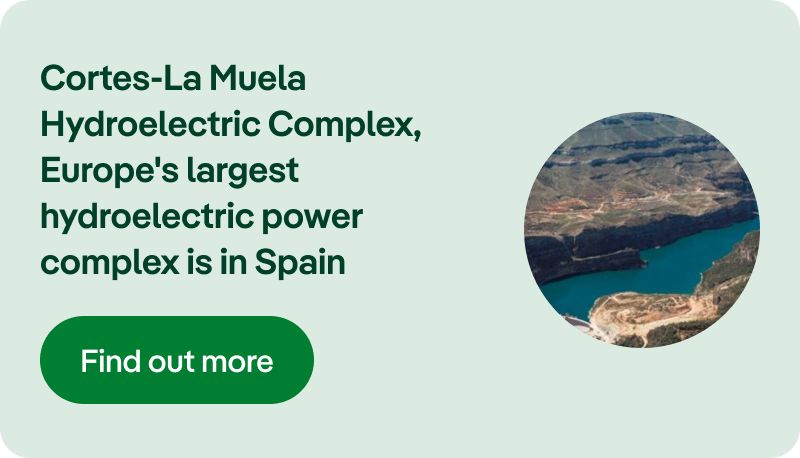
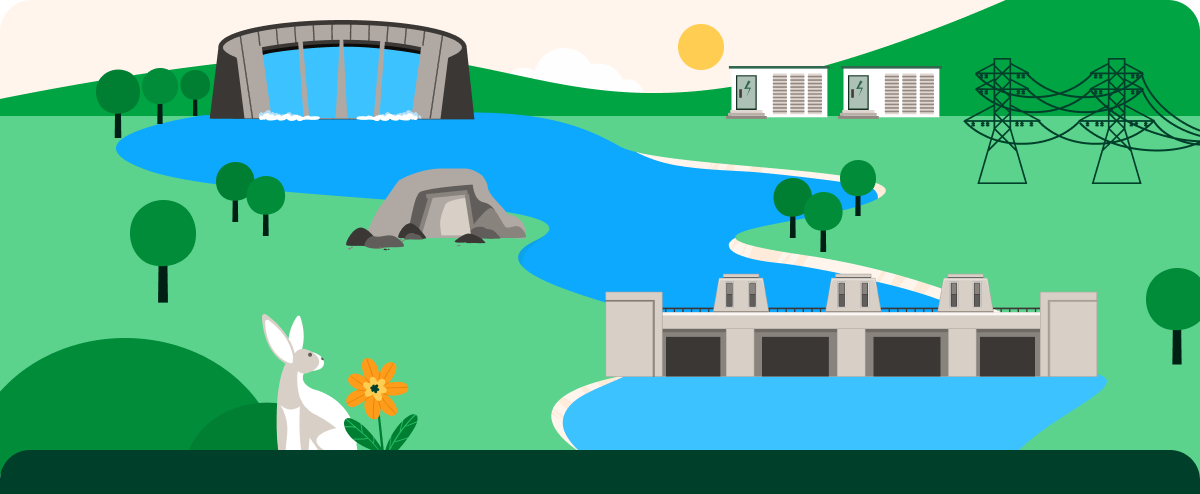
Today, pumped-storage hydropower is the most efficient large-scale energy storage technology. Installed in reservoirs at two different elevations, often near major rivers, their main purpose is to store water when demand is low and then use it to generate electricity when consumption is at its highest.
The generation capacity of these facilities can reach gigawatts, making them the largest batteries at our disposal. Their presence provides stability, security and sustainability to the electricity system, as well as significant cost-effectiveness, because they can generate large amounts of energy in a short time and without CO2 emissions into the atmosphere. |
 |
 |
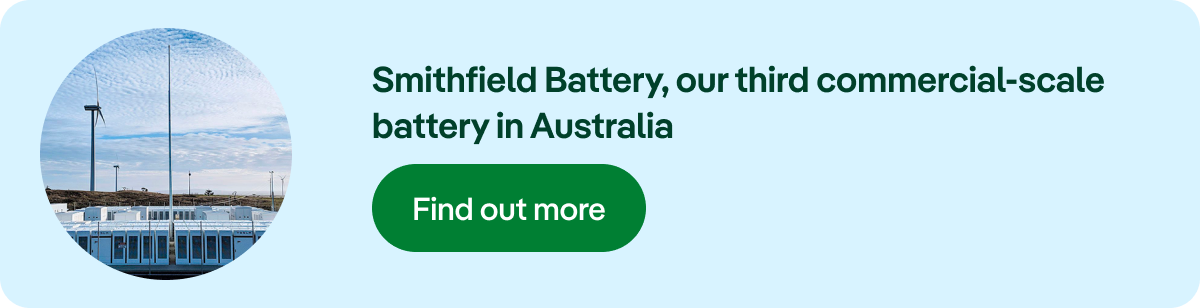
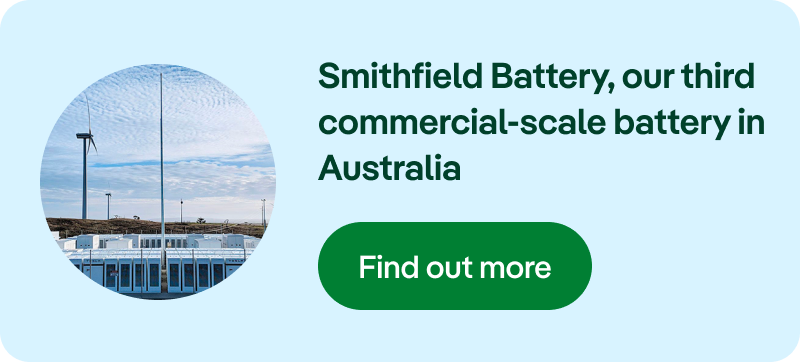
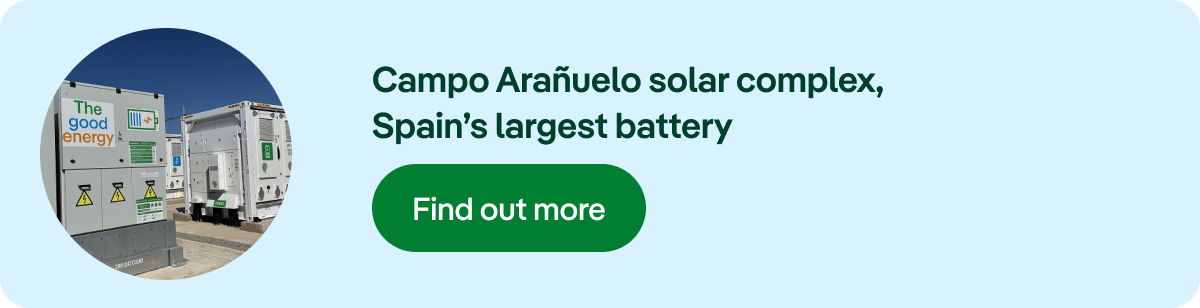
On the other hand, batteries are becoming a resource that provides independence and security against incidents around the world. Built alongside renewable generation facilities – whether large-scale or for industrial or residential self-consumption – or as backup systems in hard-to-reach areas, they are becoming an agile and scalable option for storing energy. Cell technology and battery types are advancing rapidly, with lithium-ion and sodium-ion batteries now available on the market, as well as some thermal energy storage options for industry and others such as virtual batteries, which are particularly useful for making the most of self-consumption. |
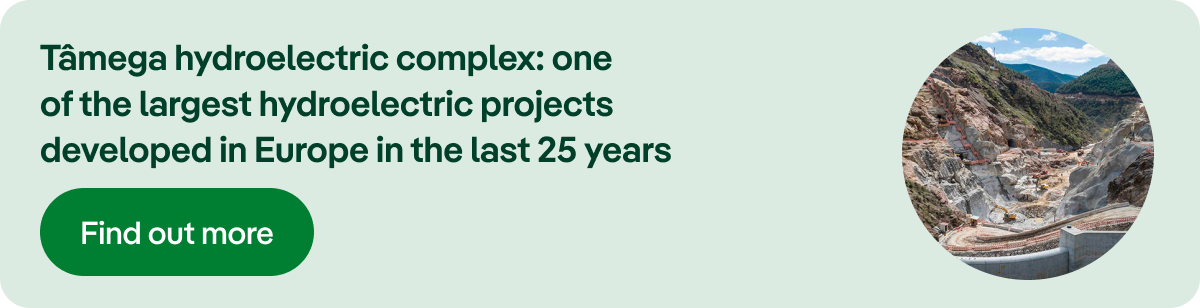
Discover our most important projects |
 |
 |
 |
 |
 |
 |
 |
 |
 |
 |
|
|
|
|
|
Please consider the environment before printing this message. If you have received this message in error, please click here |
|
|
|
|